

Categories
By Date

How BC’s New Poverty Reduction Strategy Falls Short
Good intentions aren’t enough to change life for poor British Columbians. We need a road map.
Related news: advocacy & impact

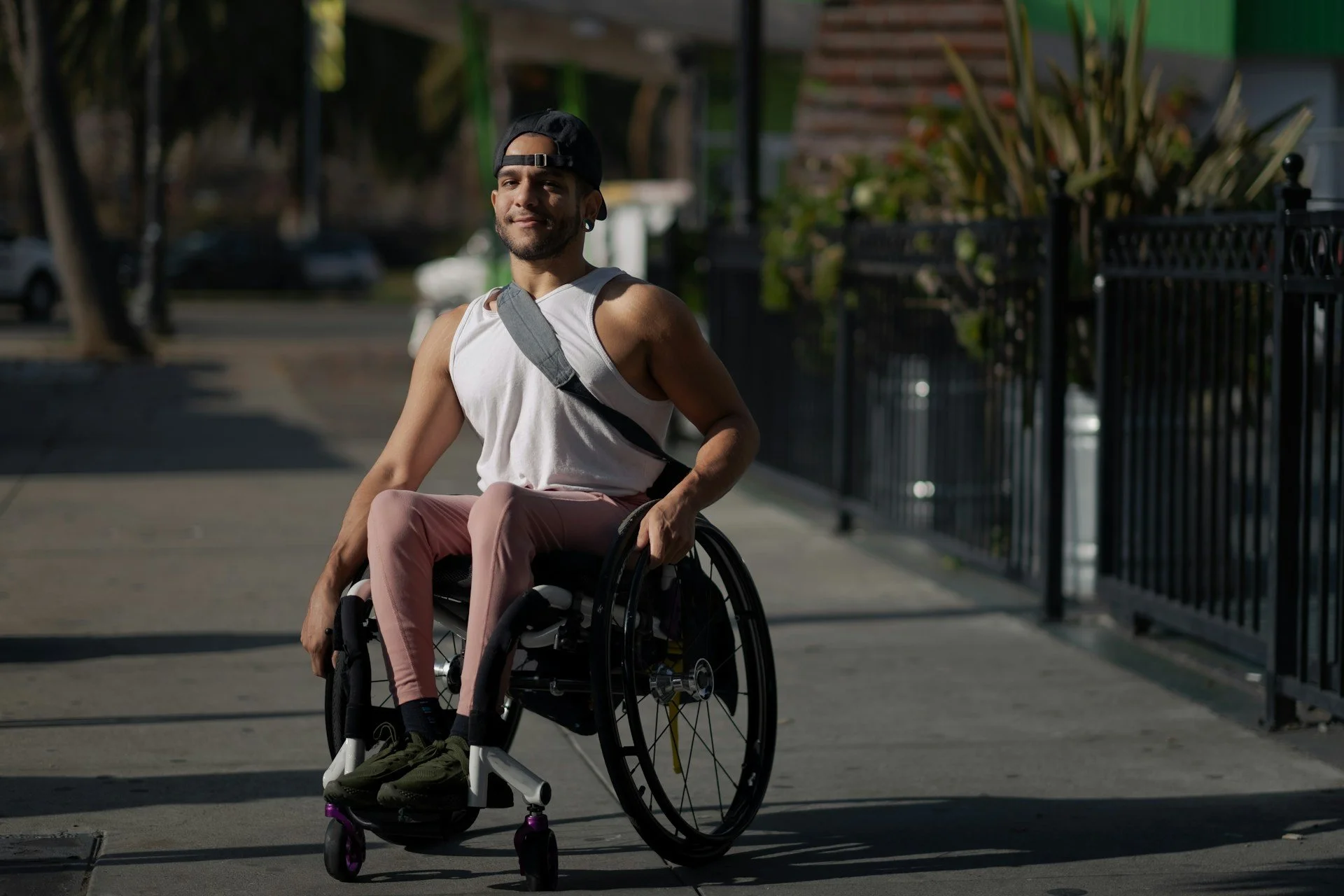

People with disabilities are not a monolith to be supported through a sliver of policy intervention or the implementation of a standard unit.

At a moment that calls for nation-building, we must meaningfully acknowledge the growing crises of poverty, homelessness, food insecurity, and inequality in the province.
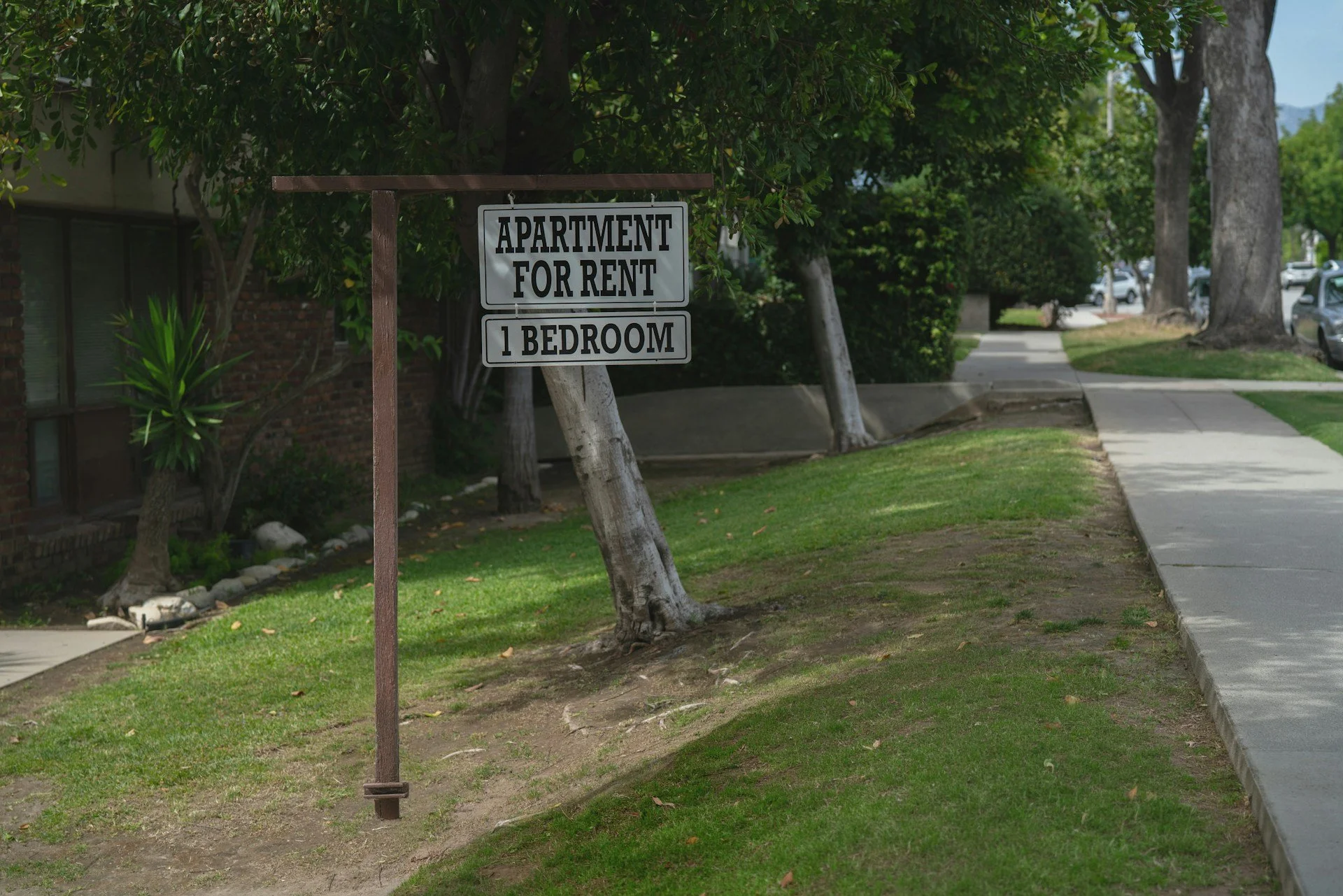
British Columbia is facing a housing crisis of unprecedented proportions, and the brunt of this crisis is borne by the 1.5 million British Columbians who rent their homes.
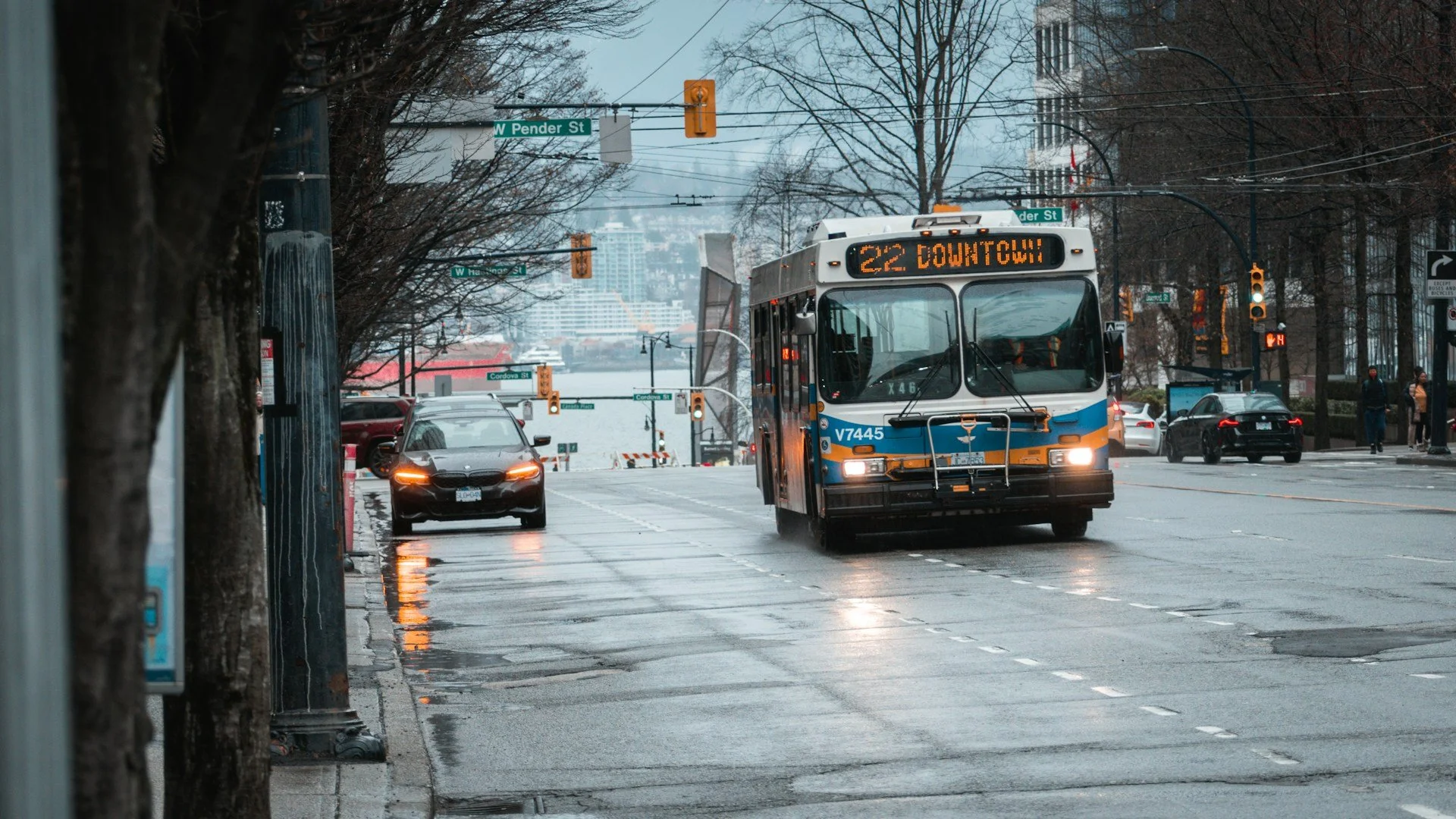
Vancouver has lagged behind every other major city in Canada when it comes to ensuring dignified and deeply affordable access to transit.
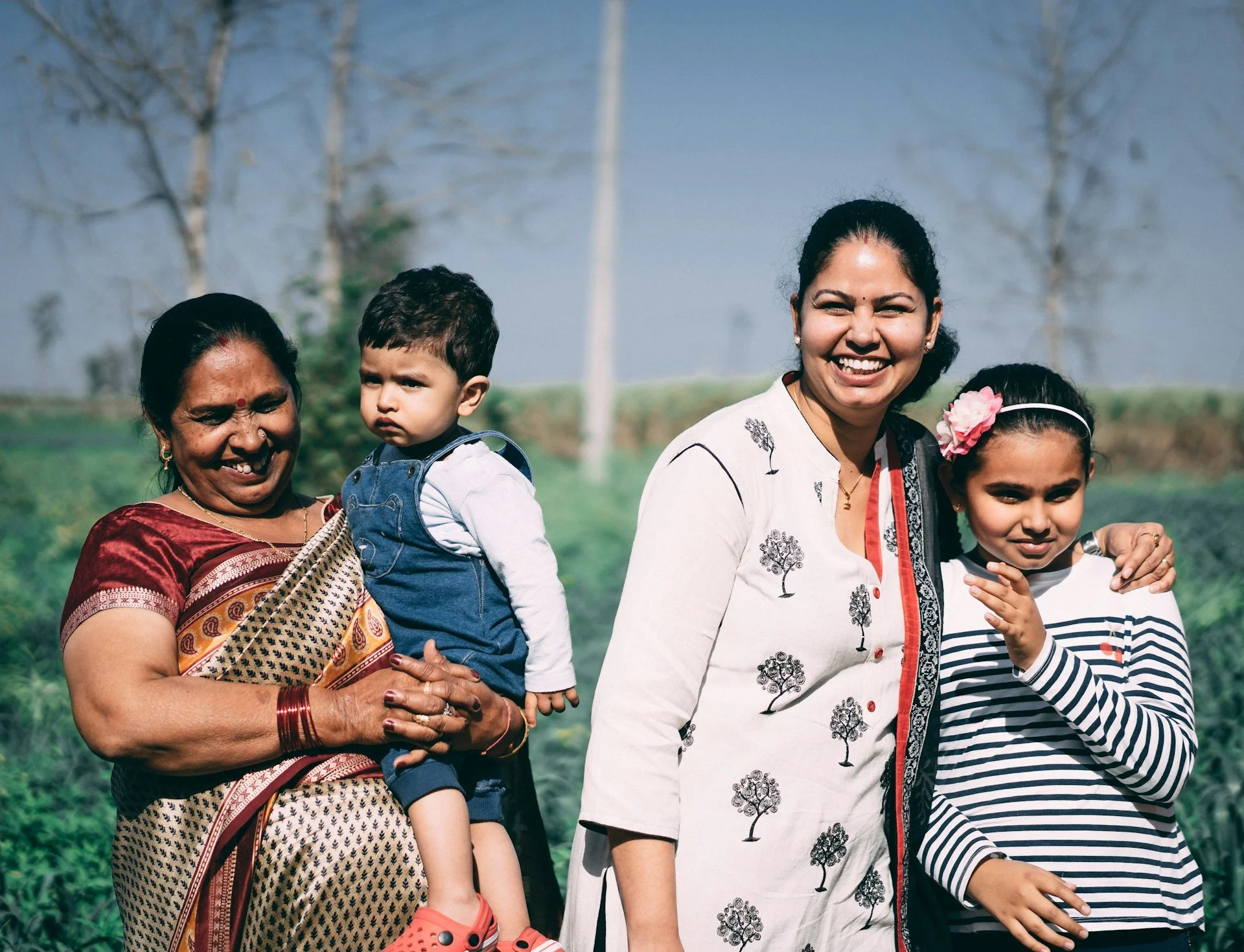
Given the intersectional, complex nature of poverty as a structure in Canada, our submission to the 2027 Federal Budget calls for meaningful investment across the social safety net and collaboration between all levels of government.

As we see with a market-based approach to housing, cities cannot rely fully on private interests to adequately fulfill a public need.

We do not trust that the Draft Action Plan tackles the FIFA-related harms that the City itself has invited by being a host city.

Without access to affordable, quality childcare, many parents – particularly women and lone parent households – have no option but to leave the workforce or use unregulated care.


Pitting investment in the adequacy of existing supportive housing against the possibility of new development is a false choice. We need both.

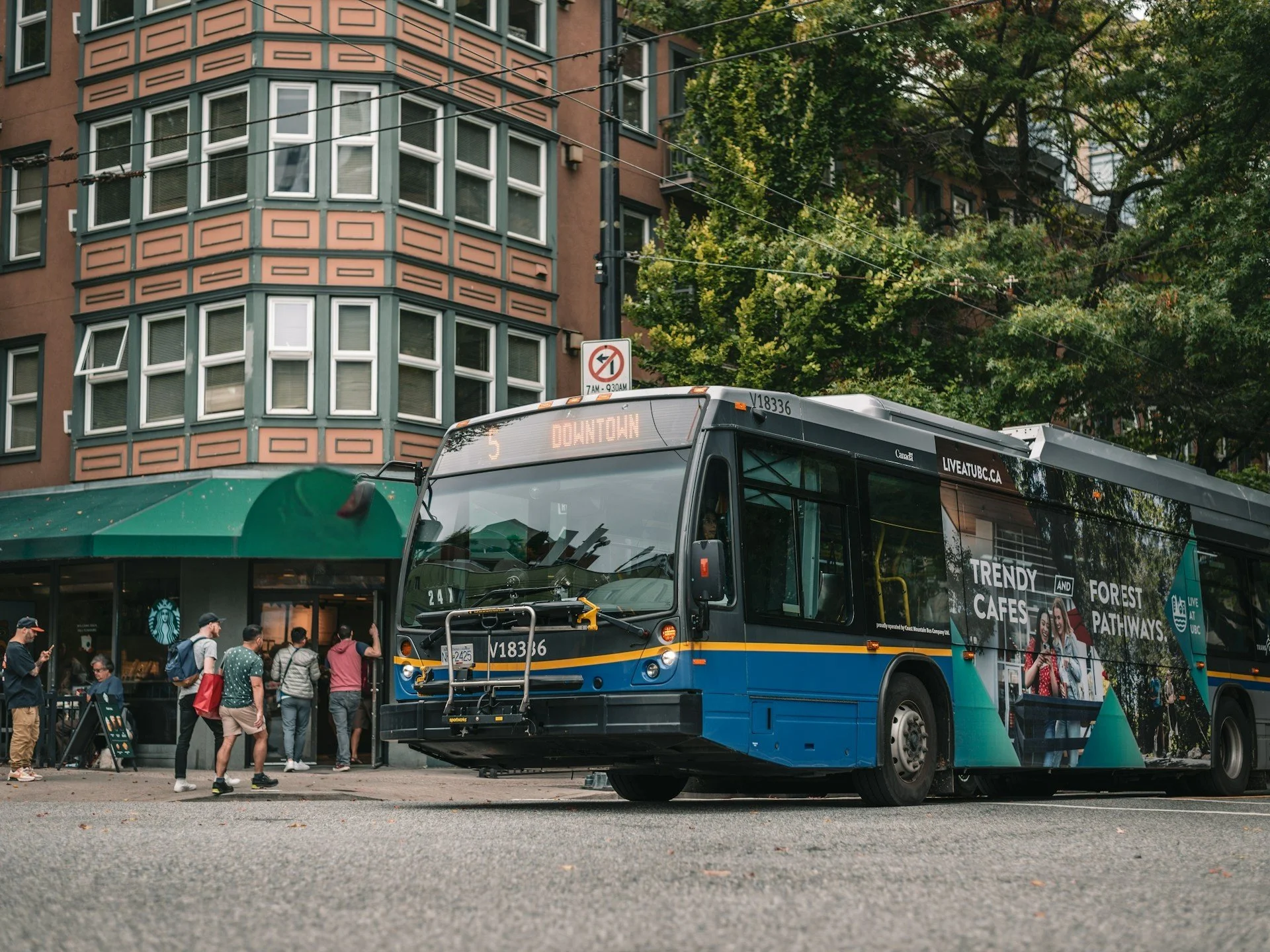
Transportation - including transit - is ranked as one of the largest expenses for households.


