

In 2020, a 3-person expert panel released a roadmap for reforming BC’s social safety net. What happened to that?
While the government allows rates of social assistance to become even more unlivable and underfunds the social safety net, we are creating this report and supporting toolkit to build public awareness and pressure around the need for meaningful investment.
The BC Government has been told - by expert panels they have convened, by people with lived and living experiences of poverty, and by anti-poverty organizations and advocates - what the pathways are to lift people out of deep and working working poverty.
In 2025, the BC Poverty Reduction Coalition began a project to review progress towards the 65 recommendations made by the Universal Basic Income Expert Panel. We have compiled a list of 5 top-mover priorities and three complimentary directions for the government to take following a review of government reforms to the social safety net since 2020, public consultations documents form the 2024 update to the poverty reduction strategy, and taking leadership from our Coalition members and partners. Stay tuned for our full report and advocacy toolkit in Fall 2026!
where do we go from here: six priorities for action
Full implementation of targeted income for former youth in-care by lifting income supports to the Market Basket Measure and lengthening the time to receive unconditional income until age 25.
Create a targeted income for people fleeing domestic violence with lump sum and ongoing income supports to provide effective, dignified and empowering support to survivors and their children to help them to move forward and recover after leaving violence.
Ensure access and navigation in the social safety net by investing in a strong public sector workforce and streamlining application processes.
Make social assistance rates livable by lifting the rates of Income Assistance and Persons With Disability Assistance to the Market Basket measure, while reducing clawbacks on benefits.
Make work work by better supporting transitions into the workforce.
Expand targeted supportive housing by adding 5,000 units to stock across the province, while also ensuring tenant’s rights and appropriate staff-resident ratios are met to ensure safety for all.
Project resources
Reforming the PWD application
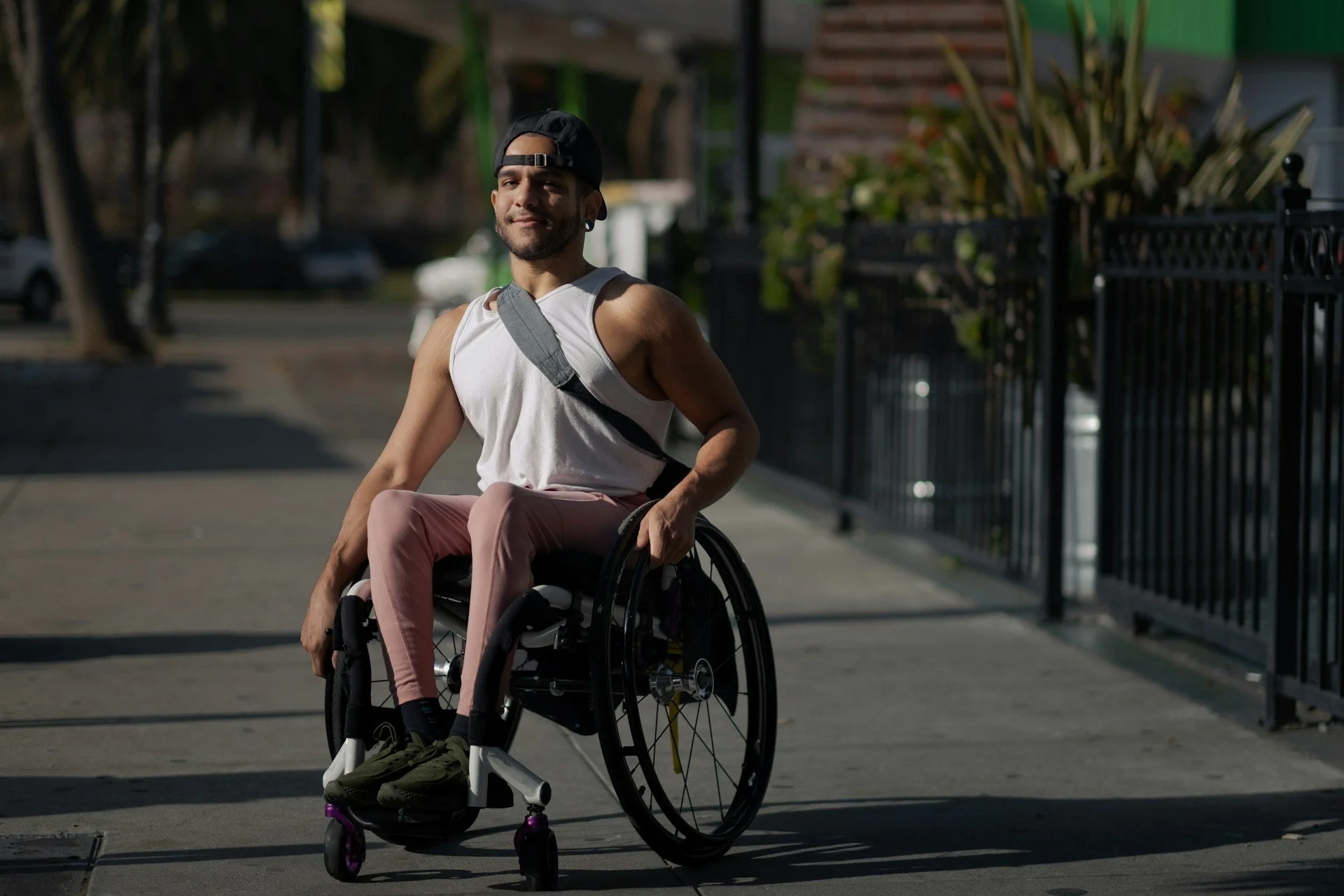
In March 2026, we submitted a list of recommendations for reforming the Persons with Disabilities (PWD) application as part of calling for action around recommendation 3 of the basic income panel report. These recommendations we put forward after consultations with disabled peoples and disability advocacy organizations in BC that provided next steps to improve accessibility, reduce administrative burden, and reduce stigma and ableism.

Check out the first policy briefing from this project!
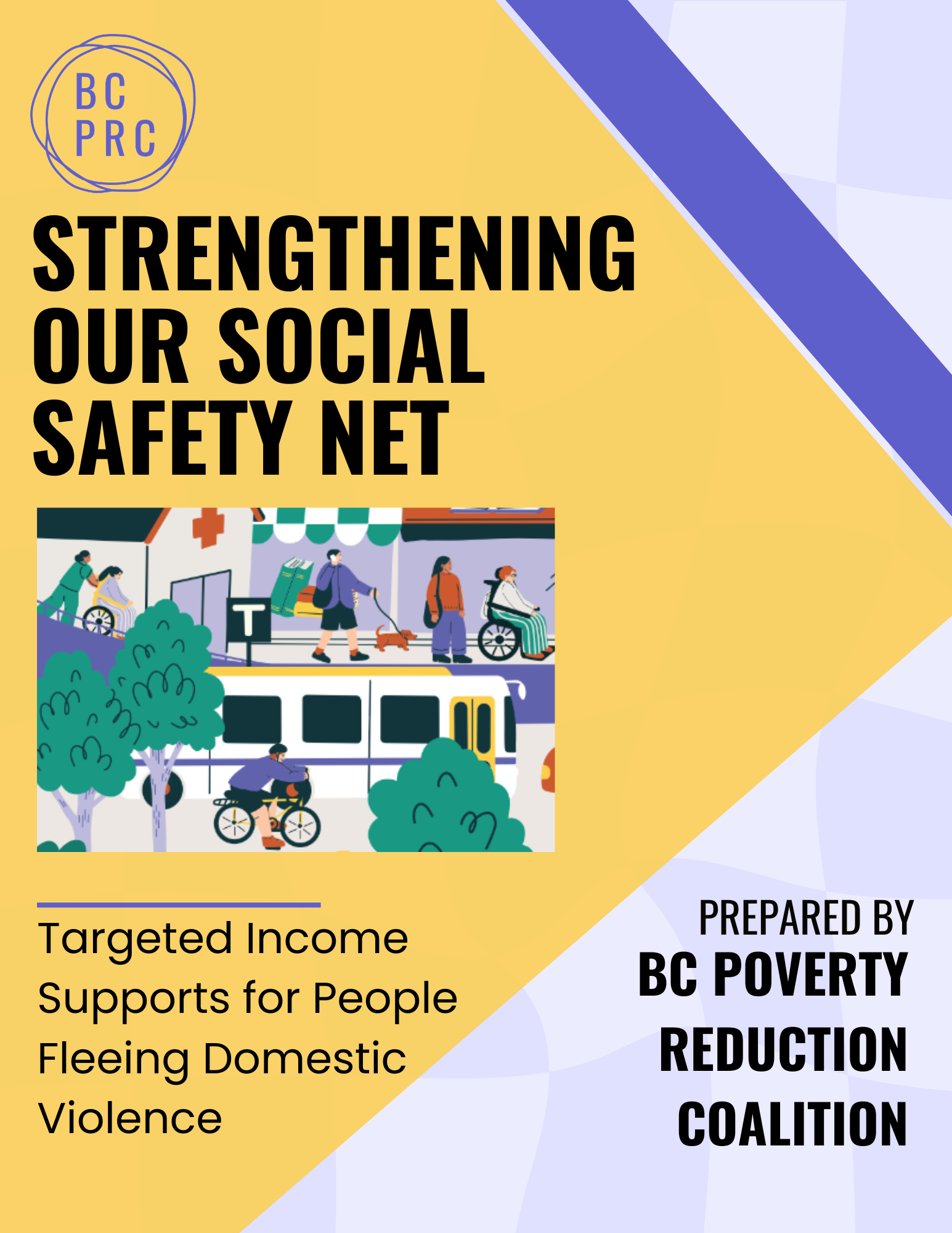
Recommendation 43 from the expert panel was to create a targeted income for people fleeing domestic violence. From 2025-2026, our team consulted with anti-violence organizations across BC to learn how that income support could be built in survivor-centered and trauma-informed ways. This briefing was supported by 16 organizations in May of 2026.
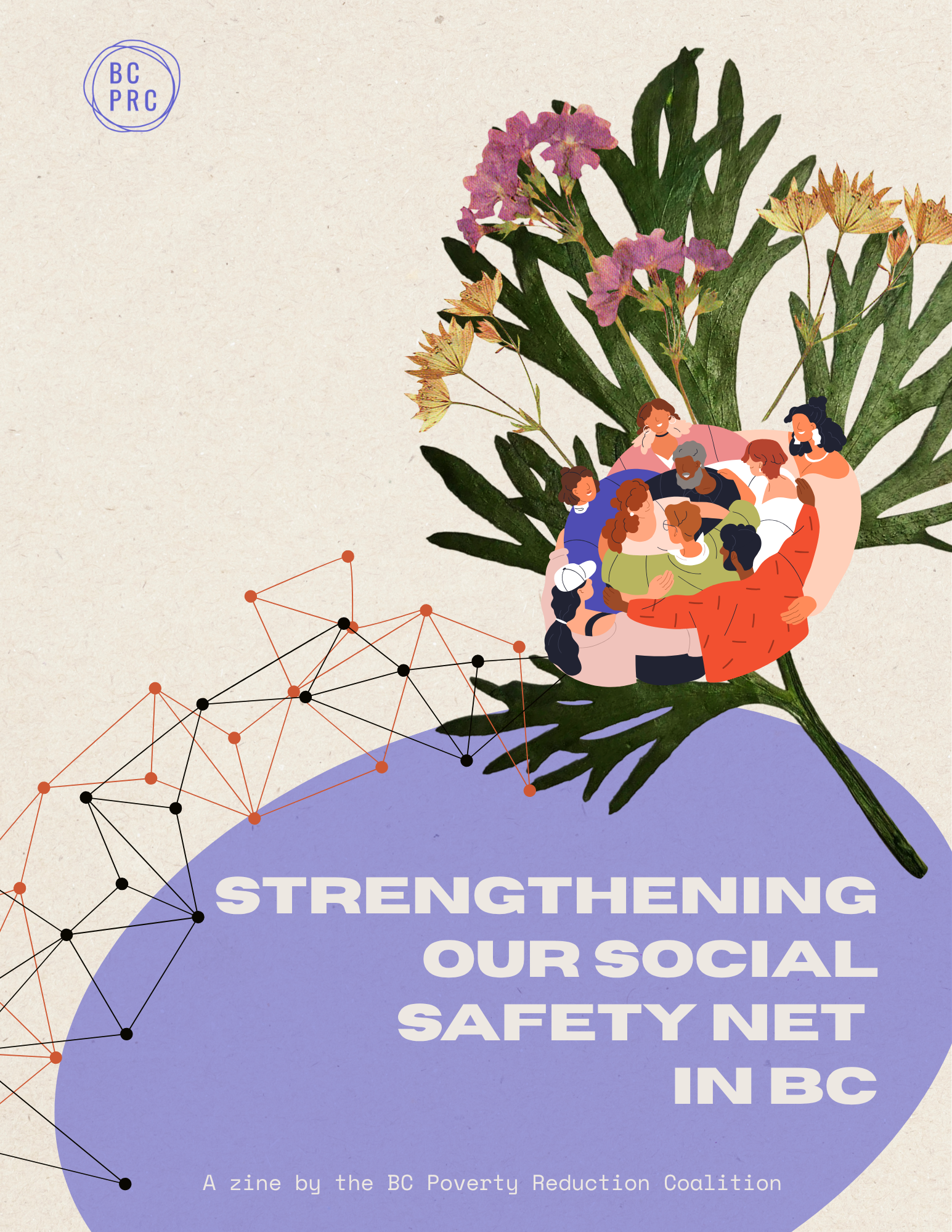
Strengthening Our Social Safety Nets Zine
Want to know more about the project? Check out our zine, which goes deeper into the recommendations, the need for investments across social assistance programs at this particular time, and ways to push for change!
View the results of the Freedom of Information request
In 2025, we submitted an FOI request to the government for a progress report on the recommendations of the 2020 Basic Income Expert Panel. The results of the FOI request helped to shape our analysis of progress and identify where there was interest from the government in taking action.