A Transit Fare Hike Is Coming. We Need a Low-Income Pass
Edmonton’s Ride Transit program shows how successful it can be. What’s the holdup in Metro Van?
By Aman Chandi (Movement: Metro Vancouver Transit Riders) and Sacia Burton (BC Poverty Reduction Coalition)
Originally published in The Tyee on May 7, 2026
Now is the time. Transit users in Metro Vancouver need a low-income transit pass before a five per cent fare hike takes effect in July.
Living here is expensive. Compared with what people earn, our region consistently ranks as one of the priciest in the world. And unfortunately, things aren’t getting easier any time soon. As oil prices rise, so do the costs of essentials like groceries — and low-income households feel that pressure the most.
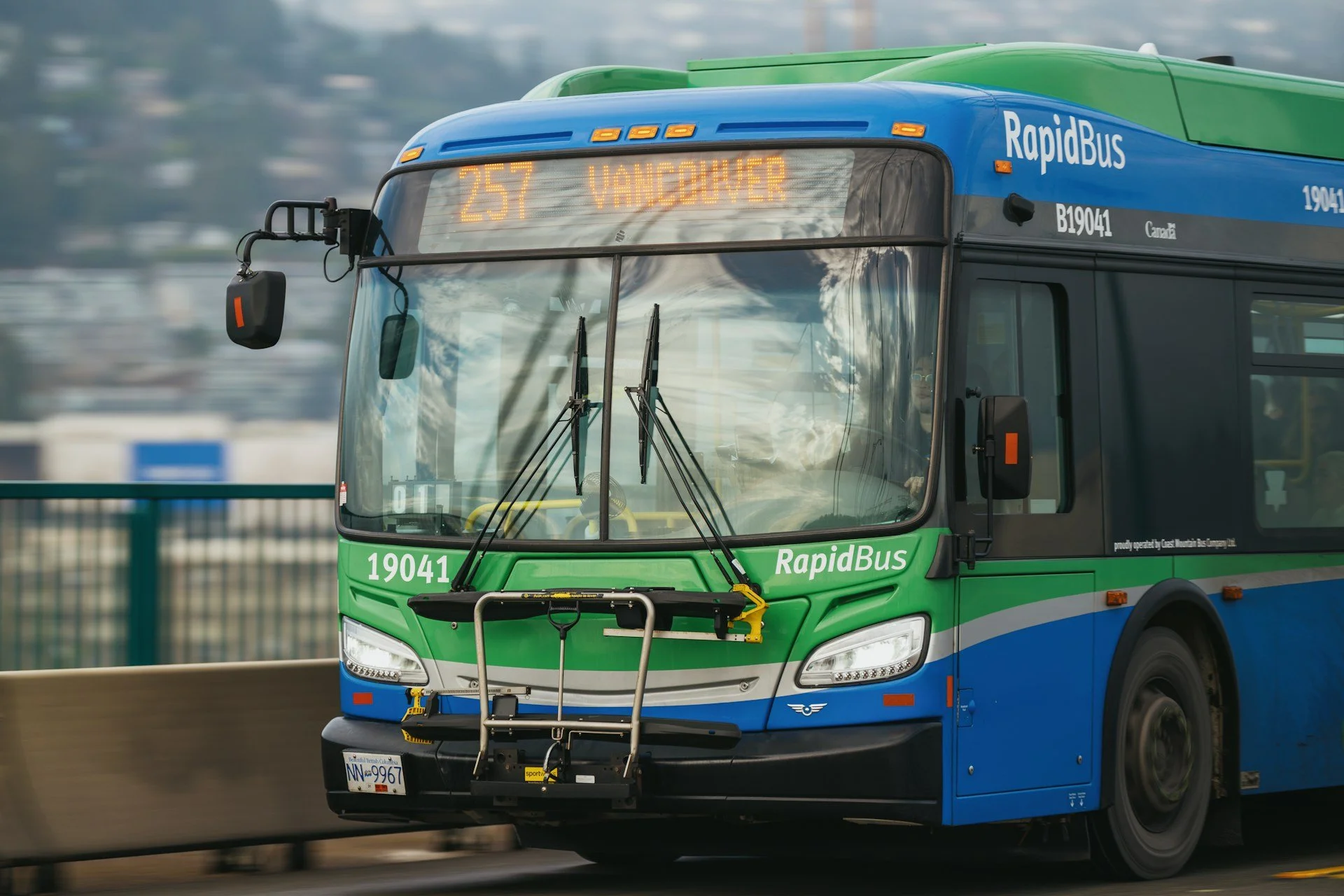
Transit fares are part of that pressure. Last year, the monthly three-zone pass for a commute from Surrey to Vancouver climbed to $201.55. The five per cent hike scheduled for July will cost about up to $120 extra per person each year — a cost that quickly adds up for families.
We are already observing the effects of the existing costs of transit on people across the region. Movement, a Metro Vancouver transit riders advocacy group, regularly engages with transit riders, from international students to urban Indigenous Elders, who tell us they are skipping job interviews, missing medical appointments or unable to visit loved ones because they can’t afford the fare.
Some are even risking a $173 fine, hoping to slip through fare gates or board without paying.
What does that say about us as a society? If we price people out of bus travel, what real chance are we giving them to break out of the cycle of poverty?
We need a low-income transit pass
The current BC Bus Pass program has moved a few steps towards equitable transit by offering $45 annual transit passes to people with disabilities and low-income seniors, but it doesn’t go far enough.
Low-income youth and working-age adults are still adding full-priced transit fares to their soaring list of expenses. Even those eligible for the current BC Bus Pass program, such as Indigenous Elders and newcomer seniors in Surrey, have told us the application process is confusing and intimidating, and many don’t know the pass exists.
It’s high time to simplify and expand the BC Bus Pass program to all low-income households. This solution doesn’t just come from the community — back in 2024, it was a group of senior TransLink staff who recommended that the expansion of low-income transit passes be included in the Mayors’ Council policy platform for the provincial election that year.
They estimated that this expansion would cost the province $60 million to $70 million yearly — a small drop in the bucket of a $100-billion provincial budget, with a substantial and immediate payoff.
In Edmonton, discount passes are the norm
A low-income transit pass is a clear solution to an affordability issue that has already arrived in major cities across the country.
From coast to coast, discount passes for low-income residents have become the norm. Kamloops, Edmonton, Calgary, Winnipeg, Toronto and Halifax offer a discount pass for low-income residents.
In Edmonton, the Ride Transit program, funded through a partnership between the City of Edmonton and the Government of Alberta, offers a reduced monthly pass starting at $35 to residents who either have a household income at or slightly above the national low-income cutoff, or belong to a qualifying group, which includes people reliant on government or disability income, new permanent residents or refugees, those aged 17 and under in government care and more.
Edmonton’s Ride Transit program is easy to access by design. If someone is applying for the city’s discounted pass to recreation facilities, they are automatically considered for the discounted transit pass.
The City of Edmonton also offers discounted senior passes, a transit access grant that organizations can use to distribute short-term transit support to their clients, and free transit to people who are homeless or at high risk of homelessness.
Edmonton shows what it looks like when a city treats public transit as a basic need.
The case has been made for change. Let’s make it happen!
Other cities have gone even further. Penticton has made transit free for people aged 24 and under.
Orangeville, Ontario, made local bus service free for everyone in 2023 and has extended the pilot into 2027.
Even in Metro Vancouver, there is precedent to address transit affordability and provide support to those who need it most.
In 2019, the city launched a one-year “Reduced Fare Transit Pilot” to provide free or discounted transit to up to 100 low-income residents.
The pilot was a success, as the participants noted that access to free or discounted transit “greatly impacted participants’ social determinants of health,” helping people get where they needed to go without any financial stress.
But since then we’ve stalled on supporting those who need it most.
Metro Vancouver should be the blueprint for great public transit in B.C. rather than struggling to keep pace. What message do we send to smaller and rural communities regarding investment and growth in transit when a community of our scale leaves so many transit riders behind?
It’s undeniable that there have been bold moves towards transit expansion and development in the last 40 years, but affordability has gotten lost along the way. We need local and provincial leaders to step up and ensure that our province’s largest transit system gets back on track and meets public needs.
Ahead of the next fare hike in July, we’re calling on the public to support us in this call: Expand the BC Bus Pass program to include all low-income households.